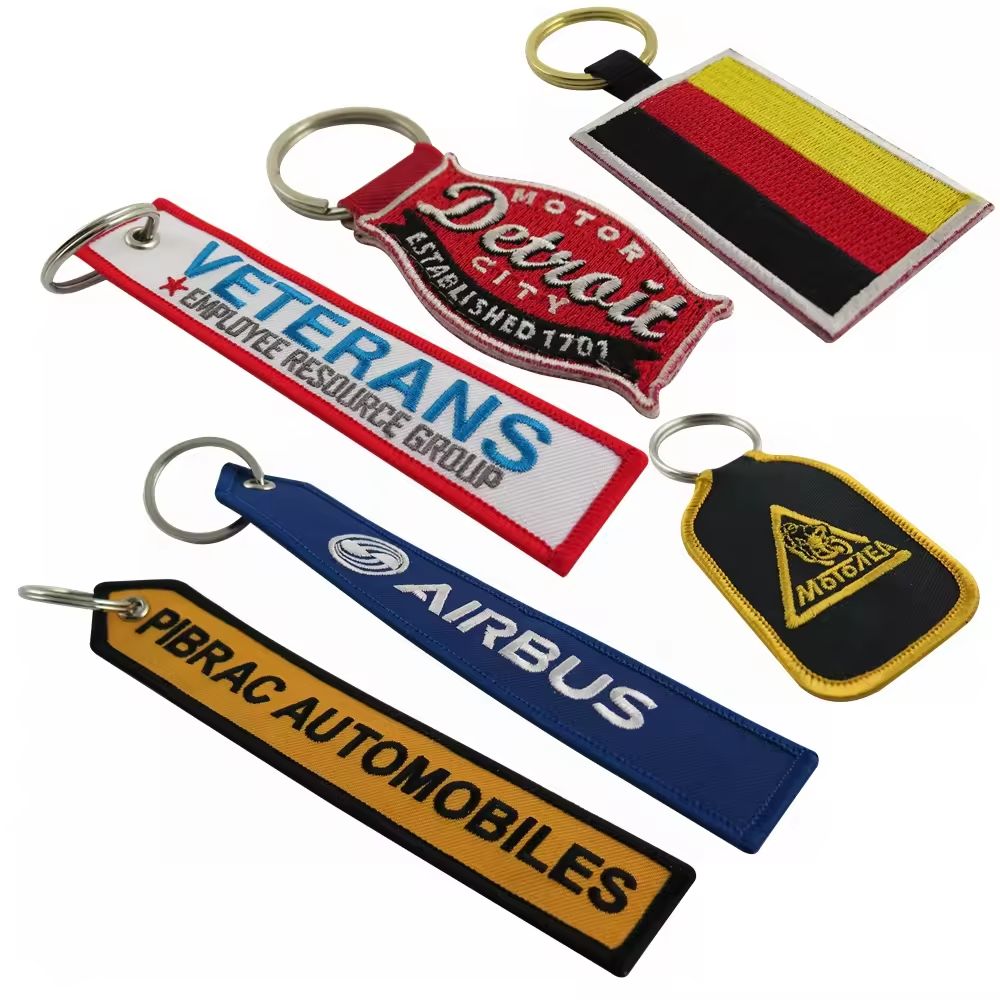
Custom pin badges are a pretty versatile way to show off your brand, celebrate accomplishments, or just express your unique style. These little things might be small, but they pack a punch—coming in all sorts of designs and finishes, like custom enamel pins or sleek metal badges. The craftsmanship involved is really a mix of art and precision, which is why they’re such a hit for both organizations and individuals alike.
When you're placing an order for custom lapel pins, there's a lot to think about. Things like the design, size, and materials you pick can really influence how the final product turns out. Whether you go for enamel or metal badges, each has its own special vibe. Companies like Lapel Pin China really know how to create top-quality pins that can seriously boost your brand presence.
As you get into the process, it helps to keep in mind what you want your design to actually say. Are you aiming for something really eye-catching? Or maybe something more subtle and understated? A good, carefully thought-out design can make all the difference—helping you get noticed and connect on a more personal level with your audience. Remember, custom pin badges shouldn’t just be an afterthought—they’re a key part of your overall branding game plan.

What are Custom Pin Badges?
Custom pin badges are a versatile and popular way to express creativity and brand identity. These small accessories can range from custom metal badges to vibrant enamel pins. They serve a variety of purposes, such as marketing, recognition, or simply as a fashion statement. With their popularity soaring, many individuals and organizations are exploring the design options available for custom lapel pins.
When considering custom enamel badges, it is essential to think about your design elements. Choose colors and shapes that reflect your brand. Simplicity can be eye-catching. A detailed design could lose clarity when scaled down. You want your custom lapel pin to stand out, but also be recognizable at a glance. Remember, balance is key.
Tips: Always request samples before placing a bulk order. This helps ensure that the quality of the custom metal badges meets your expectations. During your design process, visualize how these pins will be worn or displayed. Will they be attached to bags, jackets, or hats? Understanding their potential application can guide design decisions. Additionally, consider the type of fastening mechanism; a secure backing can enhance usability and safety.
Lastly, reflect on where and how you will promote these pins. A well-thought-out distribution strategy can maximize their impact. Clever placement and an interesting narrative can elevate your custom pin badges from mere accessories to conversation starters.
Types of Custom Pin Badges Available
Custom Pin Badges come in various styles. Each type serves different purposes. Popular options include enamel pins, printed pins, and metal badges. Enamel pins are vibrant and durable. They feature a glossy finish that attracts attention. Printed pins are more affordable and can showcase complex designs. Metal badges feel sturdy and professional, perfect for corporate use.
When choosing Custom Pin Badges, consider the colors and designs that resonate with your brand. A unique design can elevate your image. Don't shy away from experimenting with shapes and materials. There’s room for creativity.
Tips: Keep your target audience in mind. Different designs appeal to different groups. Play with symbols that represent your message well. Also, think about the size. Too large or too small can impact visibility. Always request a sample before ordering in bulk. This step can save you from costly mistakes.
Materials Used in Custom Pin Badge Production
Custom pin badges are small yet impactful items, often used for branding or commemorating events. The materials used in their production play a crucial role in the final product's quality and appeal. Typically, metal, enamel, and plastic are the most common choices. Each material has unique characteristics that affect appearance and durability.
Metal badges, often made of iron or brass, offer a sturdy base. They can be plated or coated for additional protection. Enamel pins come in two varieties: soft and hard. Soft enamel has a textured surface, while hard enamel is polished and smooth. This distinction affects how colors appear and how they feel. On the other hand, plastic badges are lightweight and more affordable, but they may not hold up as well over time.
Another aspect to consider is the printing process. Digital printing provides vibrant and detailed designs, but it may fade quicker than other methods. Screen printing, while more durable, might limit color choices. It's essential to weigh the pros and cons of each option. Some producers even experiment with recycled materials for eco-friendly badges, adding a layer of sustainability. Each choice influences the final outcome, and careful consideration can lead to better results.
What is Custom Pin Badges and How to Order Them? - Materials Used in Custom Pin Badge Production
| Material Type |
Description |
Durability |
Common Uses |
| Soft Enamel |
A process where colored enamel is filled in recessed areas of the badge. |
Moderate |
Promotional items, gifts, awards. |
| Hard Enamel |
A smooth finish that involves applying enamel and then polishing it for a premium look. |
High |
Corporate branding, recognition awards. |
| Printed |
A badge produced with a printed design rather than enamel filling. |
Low to Moderate |
Events, promotions, custom designs. |
| Die-Cast |
A process of shaping metal by pouring it into a mold. |
Very High |
High-end products, detailed designs. |
| PVC |
A flexible plastic material used for soft badges. |
Moderate |
Casual gifts, fun promotional items. |
Designing Your Custom Pin Badge: Tips and Tricks
Designing a custom pin badge can be a fun and rewarding experience. It allows for personal expression and creativity. Start by determining the purpose of your badge. Is it for a special event, a promotional item, or a personal keepsake? Understanding the goal will guide your design choices.
Next, consider elements like color, shape, and graphics. Bright colors can attract attention, while unique shapes can make your badge stand out. Think about the audience as well. Will they appreciate humor, elegance, or something more casual? It’s essential to match your design to their preferences.
Don’t forget about the material and size. Enamel, metal, or plastic can influence the final look. Aim for a balance between durability and aesthetics. Review your design critically. Are there aspects that could be improved? Creating a few drafts can help refine your vision before placing an order. This iterative process is crucial for ensuring your badge resonates with its intended audience.
Step-by-Step Guide to Ordering Custom Pin Badges
When it comes to ordering custom pin badges, the process can be straightforward yet nuanced. It's essential to clarify your requirements before starting. Define the purpose of the pin badges. Are they for an event, branding, or a giveaway? According to a report by the Promotional Products Association International, 79% of people can recall the branding on promotional products, emphasizing the importance of thoughtful design.
Next, selecting the material and size is crucial. Many choose enamel for its durability and vibrant colors. A 2021 survey showed that enamel pins accounted for over 40% of the custom pin badge market. Understanding the target audience helps in making design choices that resonate. For example, younger audiences tend to prefer trendy designs, while corporate clients might favor a more professional style.
Sketch your ideas and work with a designer if needed. Consider multiple design drafts before finalizing. It's common to go through several iterations. This process can sometimes lead to unexpected challenges, like miscommunication about colors or sizes. Always request a sample before bulk ordering. A sample can highlight flaws that might have been overlooked initially. Being patient and detail-oriented leads to better results in the end.
Pricing Factors for Custom Pin Badges
When it comes to ordering custom pin badges, pricing can vary greatly. Factors such as material selection, design complexity, and order size play crucial roles. For instance, according to industry reports, pricing can range from $1 to $5 per badge based on these variables. Less intricate designs usually cost on the lower end, while custom shapes and additional colors drive the price upward.
Another important aspect is the minimum order requirement. Many suppliers offer "Custom Pin Badges No Minimum Order" options, allowing customers to order small quantities without overspending. This flexibility caters to small businesses or individuals who may want to test a design before making larger investments. It's essential to compare quotes from different suppliers to find the best balance of quality and cost.
Additionally, shipping costs can influence overall pricing. A common oversight is underestimating these fees, which can add 10% or more to the total expense. Being aware of all these factors will lead to more informed decisions and potentially significant savings. Remember, quality should never be compromised solely for a cheaper price. Evaluate both the badge's look and the supplier's reliability before making your choice.
Common Uses and Applications of Custom Pin Badges
Custom pin badges have gained popularity in various settings due to their versatility and personalized touch. Organizations often utilize these badges for branding purposes at events.
Custom Metal Pin Badges can serve as unique giveaways that foster recognition. They can also boost team spirit, especially during sports events or company gatherings.
Wearing a badge with a custom design creates a sense of belonging among team members.
Another common application of custom pin badges is in fundraising initiatives. Charities can create badges that represent their cause, encouraging supporters to wear and promote awareness. These badges provide a platform for conversation.
People are likely to inquire about the badge, allowing supporters to share the organization's mission. Educational institutions often use them for clubs and activities, promoting student involvement and school pride.
However, obtaining high-quality custom badges can be challenging. Balancing design aesthetics and cost is often a difficult task. Some organizations overlook the importance of durable materials. Poor-quality badges may get ignored or even discarded. It’s essential to focus on both creativity and craftsmanship for effective branding.
Exploring the Impact of Customized Accessories on Consumer Engagement: Insights from Industry Market Data on Tie and Cufflink Trends
Customized accessories have gained significant traction in the fashion industry, particularly in the realm of ties and cufflinks. As consumers seek to express their individuality through their style choices, customized products provide a unique opportunity for personal branding and engagement. Market data indicates that a growing segment of consumers is willing to invest in bespoke options that align with their personal aesthetics and lifestyles. This trend not only elevates the shopping experience but also fosters a deeper emotional connection between consumers and the products they choose.
The impact of personalized accessories extends beyond mere aesthetics; they cater to the nuanced preferences of modern shoppers who value authenticity. Insights from industry market data reveal that consumers are increasingly drawn to ties and cufflinks that reflect their personal stories or significant moments. Whether it’s choosing colors and patterns that resonate with them or incorporating initials and symbols that hold personal meaning, customized accessories allow for storytelling through fashion. This engagement transforms the purchasing process into an interactive experience, where customers feel a sense of ownership and pride in their choices, ultimately driving brand loyalty and repeat business.
As we observe these changing dynamics, it's clear that brands that embrace and promote customization will likely see enhanced consumer engagement. By integrating personalized designs into their offerings, retailers can better meet the evolving demands of fashion-forward shoppers who seek to stand out in their social and professional circles. As trends continue to evolve, the possibilities for customized ties and cufflinks are endless, paving the way for a more personalized and engaging shopping landscape.
FAQS
: Custom pin badges are small accessories for creativity and brand identity. They come in various forms, like metal and enamel pins.
Focus on colors and shapes that reflect your brand's identity. Simplicity can be more eye-catching than detailed designs.
Samples help ensure the quality of badges meets your expectations. They allow you to assess design and material choices firsthand.
These pins can be attached to bags, jackets, or hats. Visualizing their use can help with design decisions.
Common materials include metal, enamel, and plastic. Metal badges offer durability, while plastic badges are lightweight and affordable.
Digital printing offers vibrant designs but may fade quickly. Screen printing is durable but can limit color options.
Yes. Using recycled materials adds sustainability and can enhance your brand's appeal.
A secure backing is essential for usability and safety. Assess which type suits your intended use best.
Create a thoughtful distribution strategy. Clever placement and engaging stories can turn badges into conversation starters.
Avoid overly complex designs. Also, neglecting quality checks can lead to disappointment in the final product.
Conclusion
Custom pin badges are personalized accessories often used for branding, promotions, or as collectibles. They come in various types, including enamel pins, button badges, and photo pins, each catering to different preferences and uses. The materials typically used in their production range from metal and plastic to eco-friendly options, ensuring durability and aesthetic appeal.
When designing your custom pin badges, it's essential to consider factors like color schemes, sizes, and styles to effectively convey your message or brand identity. Ordering these badges involves a straightforward step-by-step process that guides you from concept to completion. Pricing can vary based on material, complexity of design, and quantity ordered. Custom pin badges serve a multitude of applications, such as corporate gifts, event souvenirs, and promotional items, making them a versatile choice for anyone looking to make a statement.