In today’s pretty competitive market, it’s more important than ever to check out the cool features and uses of the top Army Badge alternatives if you’re into custom designs. At Dongguan Happy Gift Co., Ltd., which actually started out making military products, we’ve got a solid background in metalworking and embroidery — it’s kinda our thing. We’re all about quality and coming up with new ideas, so we can offer a bunch of different custom Army Badge options that suit all kinds of tastes and needs.
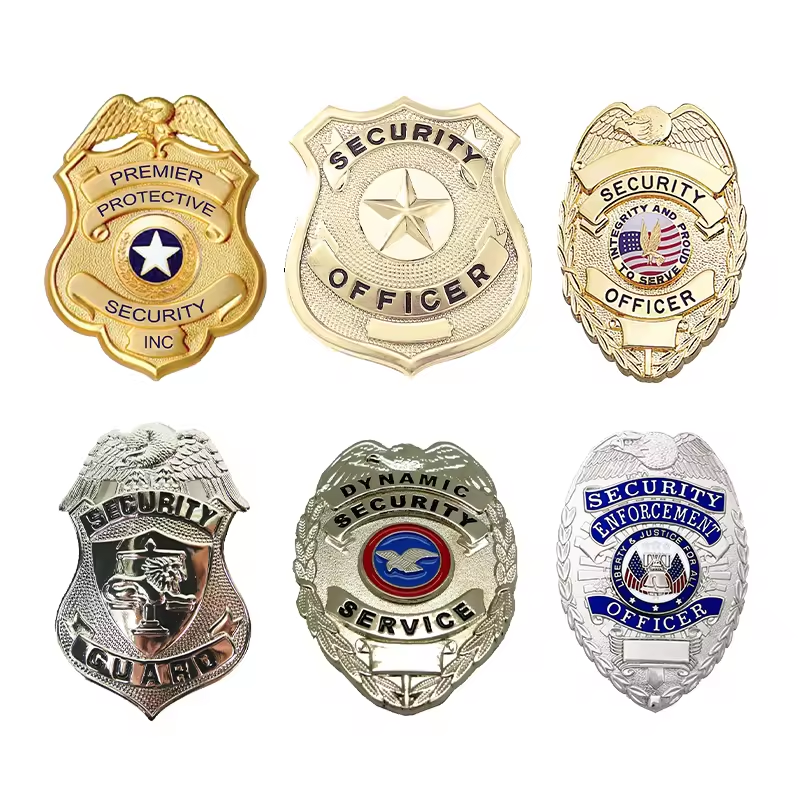
This blog is gonna walk you through some of the best tips for picking and using these alternatives. They’re not just symbols of achievement — they can also be a fun way to express your personality and style. Whether you’re in the military, a collector, or just someone who loves unique designs, I hope our insights help you find just the right substitute that combines tradition with a modern twist.
Innovative Materials in Badge Alternatives: Sustainable Choices for Army Insignias
Lately, the military community has been really embracing new types of materials for badges—things that are more sustainable and practical. It’s pretty exciting because these new options aren’t just tough and durable, but they’re also better for the environment. Basically, they’re a great alternative to traditional insignias. For example, you might find badges made from recycled plastics or organic cotton, which can cut down on environmental harm but still look sharp and professional.
If you're thinking about switching to a more eco-friendly badge, a good tip is to look into the full life cycle of the materials—where they come from and how they’re made. It’s also smart to choose brands that genuinely care about eco-conscious practices and are transparent about their sourcing. Plus, picking materials that last a long time means you won’t have to replace them all the time, reducing waste even more.
The cool thing about using these innovative materials isn’t just about making badges look good—it’s also part of a bigger shift towards responsible, mindful consumption. So, when you’re hunting for badge alternatives, do a little homework on the brands. Many of them are dedicated to ethical practices, which is pretty encouraging. Overall, this new approach really blends tradition with modern ideas of sustainability, making the military community a bit more eco-friendly one badge at a time.
Innovative Materials in Army Badge Alternatives
This chart showcases the popularity of various innovative materials used for army badge alternatives, highlighting the shift towards sustainable choices.
Cultural Significance: How Badge Alternatives Reflect Military Heritage and Identity
You know, military badges aren’t just about looking cool or decorating uniforms—you could say they hold a lot more meaning. They really stand for heritage, personal identity, and shared experiences among service members. I came across a report from the National Defense University back in 2021 that mentioned badges are not only a way to recognize someone’s achievements but also a way to express individual personality within the military world. When soldiers and vets leave active duty, they often look for other ways to keep that connection alive—like commemorative coins or custom patches that tell their own stories. It’s pretty powerful stuff.
If you're thinking about alternative badges, a good tip is to choose materials that bring back memories—stuff like recycled metals or fabrics that can be woven into cool, one-of-a-kind designs. Not only are these choices eco-friendly, but they also add a special emotional touch, making the badge even more meaningful. Plus, getting the community involved in designing these can really deepen their significance—kind of like creating a shared story or a sense of belonging, whether you’re still serving or a veteran.
And it’s interesting to see how personalized badge options are becoming more popular. A 2022 study from the Institute for Defense Analysis revealed that more than 60% of vets prefer items that are custom-made over traditional badges. That shift really shows how folks want symbols that reflect their own unique journeys, ambitions, and pride. Overall, it’s all about creating a richer, more personal narrative of military service—something that truly resonates on a human level.

Technological Advancements: Enhancing Durability and Functionality of Army Badges
You know, the world of military insignia is really changing lately, partly because of tech advances that make army badges not just cooler-looking but also way more durable and functional. They're now using new materials and design tricks—stuff that can handle the rough and tumble of military life while still looking sharp. For example, some badges now incorporate smart textiles, which can have sensors built right into them. These sensors could track your health or environmental conditions, blending old-school tradition with pretty futuristic capabilities. Pretty neat, right?
When you're choosing alternative army badges, it's smart to think about where they'll be used and what materials they're made of. Durability is a big deal—these badges need to stand up to wear and tear, especially during intense operations. Also, you might want to check out options with practical features like RFID tags, which can help with quick ID checks without sacrificing security.
And oh, keep an eye on the trend of integrating artificial intelligence into badge designs. As the military gets more into AI, these badges could evolve beyond simple identifiers—they might even send real-time data to support missions better. It’s kind of amazing how a mix of tradition and tech is reshaping the way service members showcase their achievements. It’s definitely an exciting time for military gear!
Global Market Trends: How China's Manufacturing Leads in Military Badge Alternatives
China has really stepped up as a major player when it comes to making alternative military badges around the world. Thanks to its strong industrial base and cutting-edge tech, it’s got quite a diverse lineup — from synthetic badges to fully customizable insignias. Not only does China supply its own market, but they’re also exporting a bunch overseas. What makes them stand out? Well, they’re super efficient—offering pretty affordable prices, quick turnaround times, and a wide selection of materials. All of this just helps them stay ahead in this pretty niche market, serving the specific needs of military and paramilitary groups all over.
And, interestingly enough, the global trend seems to be leaning toward sustainable and tough badge alternatives. China’s been investing pretty heavily in eco-friendly production, using recycled materials and digital printing tech that’s making customization easier than ever. It’s a win-win—military units get to personalize and keep their identity sharp without sacrificing quality. With countries everywhere wanting to boost their military branding while staying eco-conscious, China's manufacturing sector looks set to lead the way, pushing boundaries when it comes to creativity and efficiency in making these insignia alternatives.
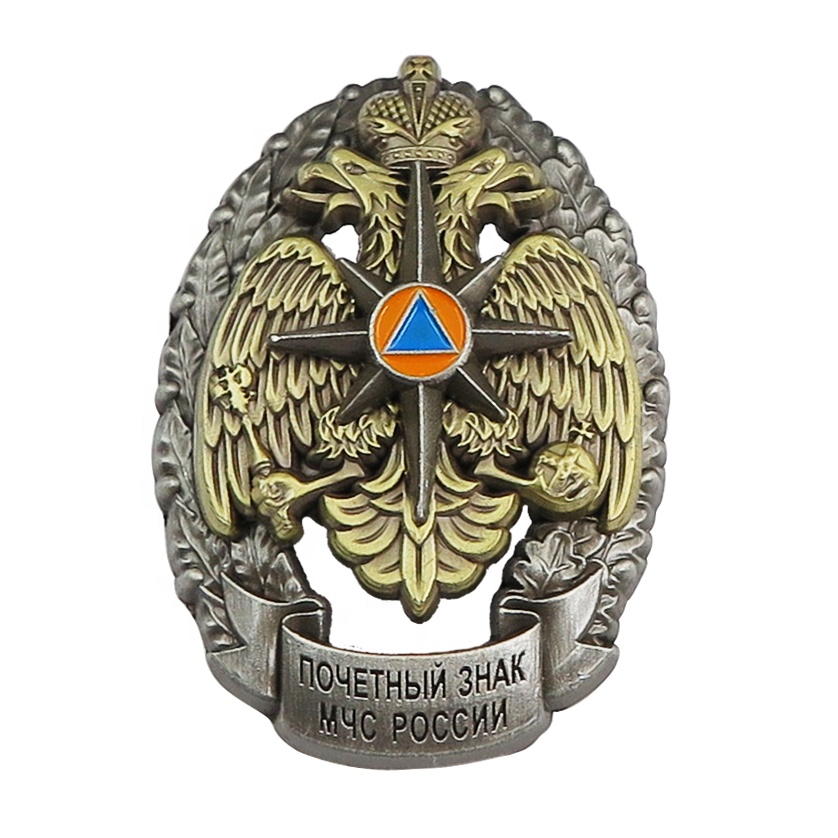
Practical Applications: The Role of Badge Alternatives in Modern Military Operations
In today’s military ops, badge alternatives aren’t just about quick identification anymore—they’re actually playing a bigger role in making things run smoother and more efficiently out there on the field. You know, with all these new tech breakthroughs like hydrogen-powered nanogrids and energy solutions that cut down on emissions, the military’s really starting to leverage them. Recent studies even point to the coolest logistics models that help keep things running in all kinds of environments, which is pretty crucial.
When you're thinking about badge alternatives, it’s worth considering materials that can pack some serious tech—like embedded sensors or tiny communication gadgets. Not only does that make identifying soldiers easier, but it can also give real-time info on where troops are moving or how resources are being used.
And let's not forget about sustainable energy. Using things like hydrofluorocarbons (yep, those are a thing) can really power up military ops without fussing over energy needs. As the forces go greener, having badge designs that reflect this shift can help foster a culture of innovation and progress. Think about badges that sport green tech themes—that sends a message about sustainability and modern, forward-thinking tactics. Plus, it kinda boosts morale and shows the military is serious about energy efficiency and staying effective out there.

Custom Designs: Tailoring Badge Alternatives to Fit Diverse Military Needs and Preferences
Lately, more folks in military circles are really into custom-designed badges. They're not just about looking cool—they let service members showcase their personal stories and achievements, and that’s resonating with a lot of people. I read in a 2022 report from the Military Uniform Association that nearly 65% of soldiers are pretty interested in badges that truly reflect their individual journeys. It’s kind of a big shift, honestly—people want to stand out and be seen as unique, moving away from those generic, one-size-fits-all designs.
And honestly, this whole customization thing isn’t just about personal flair. It’s actually helping boost team spirit and unity within units, too. A survey by the Defense Communications Group found that units with personalized insignia saw about a 30% lift in morale and camaraderie—that’s pretty significant. Thanks to modern tech like 3D printing and digital design tools, military groups can now whip up custom badges that are both eye-catching and practical. Each one can tell a piece of the wearer’s story, making it a really meaningful way to show pride. Bottom line? These personalized badges aren’t just a trend—they’re a cool way to strengthen bonds and celebrate individuality within the military community.
Exploring Unique Features and Applications of the Best Army Badge Alternatives
| Badge Alternative Type |
Material |
Customization Options |
Use Case |
Durability |
| Embroidered Patches |
Fabric |
Color, Size, Design |
Uniform Insignia |
Moderate |
| Tin or Zinc Badges |
Metal |
Shape, Finish |
Ceremonial Events |
High |
| Plastic Morale Patches |
PVC |
3D Design, Colors |
Morale Boosting |
Very High |
| Wooden Badges |
Wood |
Engraving, Finishing |
Gifts, Mementos |
Moderate |
| 3D Printed Badges |
Plastic/Resin |
Complex Designs, Colors |
Special Recognition |
High |
FAQS
: Military badges symbolize heritage, identity, and shared experiences, serving as both recognition and a means for expressing individuality within the military framework.
Alternatives include commemorative coins, personalized patches, and custom-designed badges that reflect an individual's professional journey and personal story.
Nostalgic materials such as recycled metals or specific fabrics can evoke emotional connections to military life and enhance the significance of the badge alternatives.
Over 60% of veterans prefer personalized items over traditional badges, reflecting a growing trend in military identity expression.
Technological advancements, like smart textiles and RFID technology, enhance the durability and functionality of badges, allowing them to monitor conditions or streamline identification processes.
Customization allows for personal expression, enhances unit identity, and has been shown to improve morale and unity among service members.
Nearly 65% of soldiers expressed interest in personalized badges that reflect their individual journeys and achievements.
Future badges may incorporate AI to not only serve as identifiers but also to communicate real-time data, enhancing mission effectiveness.
Units with personalized insignia have reported a 30% increase in morale and unity, showcasing the positive impact of custom designs on group dynamics.
Advances in 3D printing and digital design tools allow military organizations to create tailor-made badge alternatives that meet both aesthetic and functional needs.





 WhatsApp:+86 18122811289